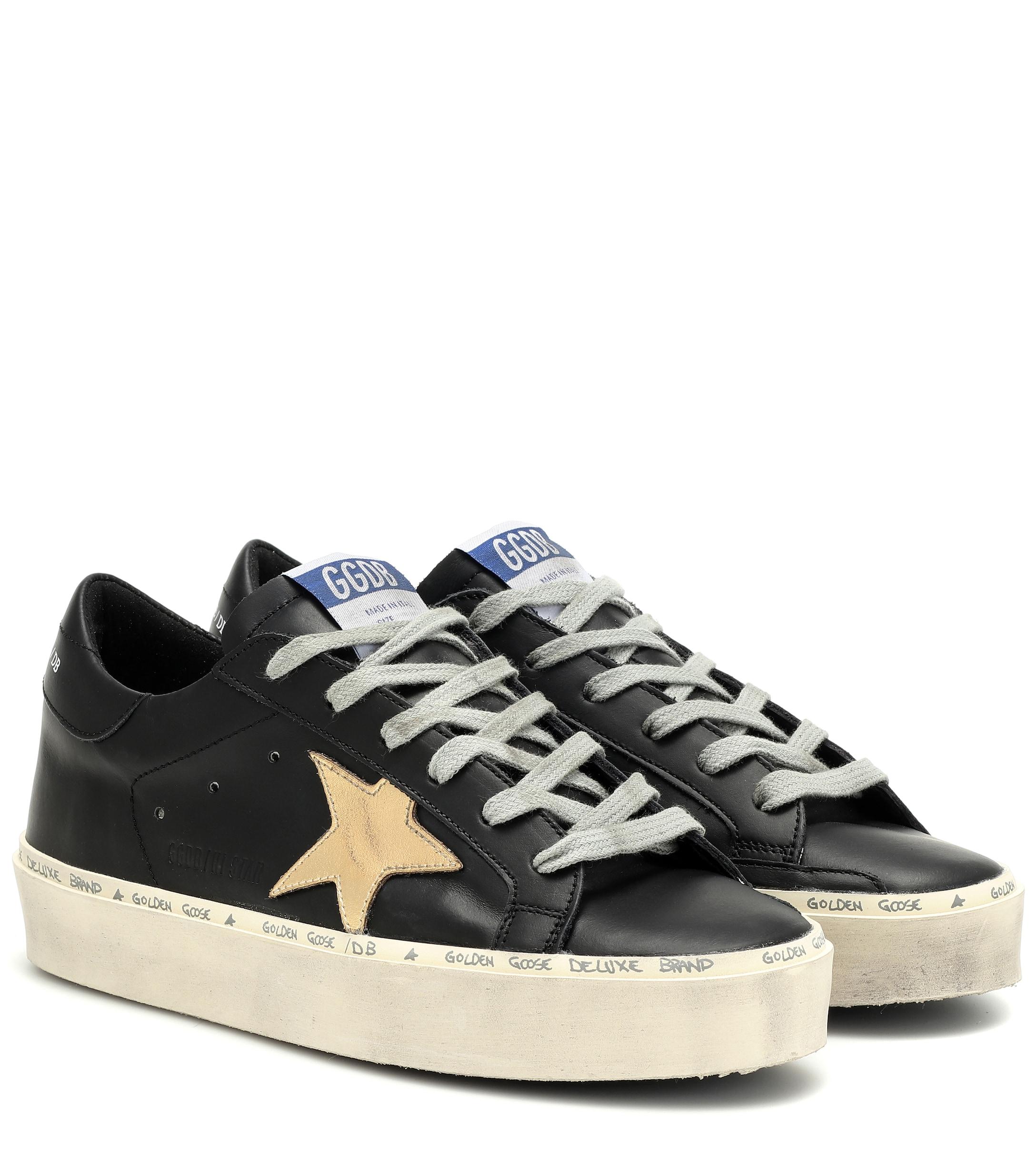
Top 10 Golden Goose Sale Finds You Can Really Discover
The strongest outlet value with low danger stems from brand-owned locations and verified past-season channels, especially when you target core models, odd sizes, or multi-buy promos. Focus on Super-Star, Ball Star, Mid Star, Mid Star, and Slide lines from prior collections, and schedule visits for final season reductions.
Start with brand-owned outlets at top outlet malls, where previous-season Super-Star and Ball Star pairs often arrive at 30–50% off, plus additional 10–20% during calm midweek days. These locations selectively obtain sample pieces archives that won’t hit websites, and the invoice guarantees complete for authenticity.
Search within premium boutiques for “clearance” or “remaining pairs” rails. Associates move seasonal sizes onto hidden racks with 25–40% reductions, usually showcasing uncommon colorways or limited partnerships that didn’t get a full size run. Inquire openly regarding archive stock; it’s normal practice you’ll be displayed inventory never yet on retail areas.
Track brand-owned web sale sections around season changes. The brand infrequently promotes the deepest cuts, but you’ll see a short period featuring 30–40% on fewer sizes across Running Sole, Dad-Star, or Slide models. Dimensions 35–36 and 45–46 fall initially and go furthest; should you fit them, you succeed.
Locate official sample sales in upper Italy plus select European capitals where Golden Goose manufactures and displays. Anticipate 50–70% off, including main selection in sample sizes (typically women’s EU 37 and men’s EU 42). Pairs are genuine, sometimes with handwritten internal codes or slight labelling quirks that never made full manufacturing.
Ask outlets about “second choice” or “flawed” selections with cosmetic micro-issues like glue haze or inconsistent aging; such are marked properly and discounted a additional 10–20% past outlet price. The issue stays minor, comfort stays unchanged, plus the provenance remains legitimate.
Think about children’s teen sizing for smaller feet. Ball Star with Super-Star at youth EU 39 could suit a women’s 38–38.5, often at substantially lower discount labels. Confirm internal length versus displayed size, and fit both footbeds since particular junior styles run shorter.
Target off-season boots and apparel in outlets if you’re flexible. Leather boots, shearling-lined sneakers, and garment selections achieve 40–60% after peak weather ends, and staff frequently provide combination discounts when you combine any sneaker with apparel.
Utilize bulk purchase deals. Many outlets subtly feature “get two, save additional” promotions, particularly midweek. Combine one standard greygooseshoes.com white Super-Star with any limited Slide to trigger additional savings, then ask if accessories or insoles can be included; accessories are often free with multiple purchases.
Examine trusted off-season e-tailers that purchase straight from brands. When the brand surfaces, prices typically reflect clearance rates with full legitimacy certificates. Selection is sporadic, yet organizing by size and design might uncover hidden gems that were missed by in-person traffic.
Where are most reliable sources to get authentic Golden Goose discounts?
Stay with company-operated outlet stores, authorized retailers’ clearance sections, and established past-season retailers with invoices that name Golden Goose as vendor. Skip social media sellers, platform offers lacking a tax invoice, and any site using standard pictures alone.
Designer villages and premium outlets host brand-operated Golden Goose stores offering legal receipts, honor typical service, plus verify serials. Official boutiques will ring archive items via the same system as standard cost, and staff will check design codes on the spot. Trusted off-price e-tailers share source partnerships and provide return windows aligned with luxury expectations; their tags match the packaging, while customer service can confirm style identifiers.
What does a fair outlet price look like across designs?
For core Super-Star and Ball Star in regular materials, anticipate roughly 30–40% off last season, with rare drops approaching 50% on odd dimensions. Slides, Mid Star, and High Star average 30–45% off according to components and shearling use. Running Sole, Dad-Star, and Stardan fluctuate broader—athletic materials push rates upward, yet off-season colors decline more. Every new-season at an outlet priced under half of today’s rates deserves scrutiny; it may be a second, an irregular, or simply not real.
How do you identify a fake Golden Goose within 30 seconds?
Confirm the product code against container, evaluate the leather and stitching quality, and look for typical company consistent, artisan weathering instead of stencil-like scuffs. Prices far below typical outlet levels are the last red signal.
Compare the interior style/article code with the packaging label precisely; inconsistencies signal walk-away. Feel the leather—authentic pairs use soft, dense hides that crease naturally instead of breaking or cracking. Inspect the star patch and sections for precise cuts and tight, evenly spaced stitches with minimal hanging fiber. Distressing should look random and hand-finished, with sole work and varied scuff depth, not carbon-copy marks on either foot. Additionally, consider the price: brand-new Golden Goose almost seldom drops beneath outlet-level thresholds without being a sample or damaged, and legitimate sellers are open about why a pair costs little.
Which codes and labels should you check before paying?
The code on the inner label should mirror the shoebox label’s style and color code, plus the measurement must match throughout item, container, and any scanning label. Typography are clean, intervals remain uniform, and “Made in Italy” shows consistently where required for this season.
Check the marking quality: ink should be crisp with no running, plus the same code series needs to display on documentation. When any QR or barcode is present, it should resolve to style details that aligns with this shoe in hand when checked with customer support. Look at foil side markings—many authentic Super-Star pairs carry a “Super-Star” hit with the separator in the correct place; bad replicas skip the hyphen, modify intervals, or place it wrongly on the upper.
How does real distressing differ from fake treatment?
Hand-finished distressing looks organic and asymmetrical, with brush-stroked midsoles, inconsistent mark boundaries, plus wear in plausible contact zones. Factory-fake distressing duplicates designs while sits on exterior of leather without depth.
Inspect either foot side by side. Genuine pairs won’t mirror scratches; the outer and medial sides show varied marks. Suede panels show natural nap direction including rubbed raised spots rather than consistent grey rub. Midsoles show multiple coating removal or shading versus a single sprayed tone. The outsole will stay clear enough to confirm fresh state, though if the side appears aged—complete dirt impregnation across patterns generally signals wear or aggressive fake.
When do stores reduce costs—and how do you time it?
Deepest reductions hit near end-of-season shifts, commonly late January to mid-February plus late July to mid-August, featuring bonus quiet-weekday incentives. Member-only weekends frequently stack.
Schedule an early visit midweek for employee time and unpicked sizes. Ask proactively about upcoming reduction schedules; associates often reveal if any further reduction is scheduled within a week. When your dimension is common, reserve the pair for a few hours while you confirm; most stores allow short holds. Temperature changes affect—fleece-interior sneakers will fall faster when temperatures rise, while canvas styles soften in late autumn.
Authorized channels vs gray market: how this affects you
Official sources offer authentic product, verifiable paperwork, predictable pricing bands, plus service backing. Gray market suppliers combine real and non-authentic items with unclear provenance and limited buyer security.
In authorized environments, codes match, pricing aligns with known seasonal patterns, and you obtain proper valid VAT or sales receipt. Stores can request substitute accessories or insoles while recommending care compatible with the materials in your pair. Gray channels often refuse to confirm supplier details, use stock images, or push prices past consistency with timing. Refunds stay constrained, boxes and storage items change, and serial verifications delay once you ask for proof through writing.
Genuine compared to imitation at a quick look
Use the following comparison to make a fast call before you approach the the register. Slight differences might happen in manually-crafted items, yet the pattern needs to highlight workmanship, material quality, plus information consistency.
Checkpoint
Real Golden Goose
Standard Imitation Clue
Product/dimension identifiers
Perfect alignment between shoe label plus packaging; crisp fonts; consistent intervals
Mismatched codes or sizes; fuzzy print; irregular spacing
“If you’re uncertain, then pull the insole and inspect finishing under inner area. Real pairs show tidy bonding edges, clean stitches, plus uniform substance density—areas counterfeiters infrequently nail as they assume customers won’t inspect.”
Four little‑known facts about Golden Goose to help you authenticate
Initially, shoes get hand-finished in Italy, this means why distressing varies pair to pair—symmetry is a red flag, not a benefit. Additionally, numerous core models use leather-covered footbeds with dense cushioning for immediate comfort; paperboard interiors indicate counterfeit shortcut. Additionally, edge coloring often involves multiple applications instead than a single uniform spray, so you’ll notice slight peaks and lows once you rotate the shoe beneath illumination. Finally, foil prints along outer side and back areas might soften with wear, but they’re precisely applied from beginning—incorrect positioning or wavy foil out of the box suggests issues.
Returns and aftercare on outlet purchases—what changes?
Official locations commonly offer shorter return windows and final sale for irregulars or samples, but they continue supporting behind authenticity plus sizing advice. Accessories and care items are available, and staff can advise on cleaning aged treatments without flattening the appearance.
Confirm if your pair is first-quality, second-choice, or sample, and have this noted on your documentation. Request about laces and insole replacements at purchase; various locations maintain spares behind service areas. Regarding cleaning, use mild scrubbing and neutral solution for sidewalls, and avoid heavy solvent on foil logos or material surface. If a issue surfaces following purchase on a standard shoe, show the receipt and photos promptly; authorized stores have processes to evaluate and support regarding outlet items.